

When we talk about gender equity in education, the conversation often begins in the classroom. We ask whether girls are participating, whether boys are engaged, or whether teachers are using inclusive teaching practices. These are important questions. But they overlook one of the greatest drivers of change in any school, leadership. Before classrooms change, school leadership must change.
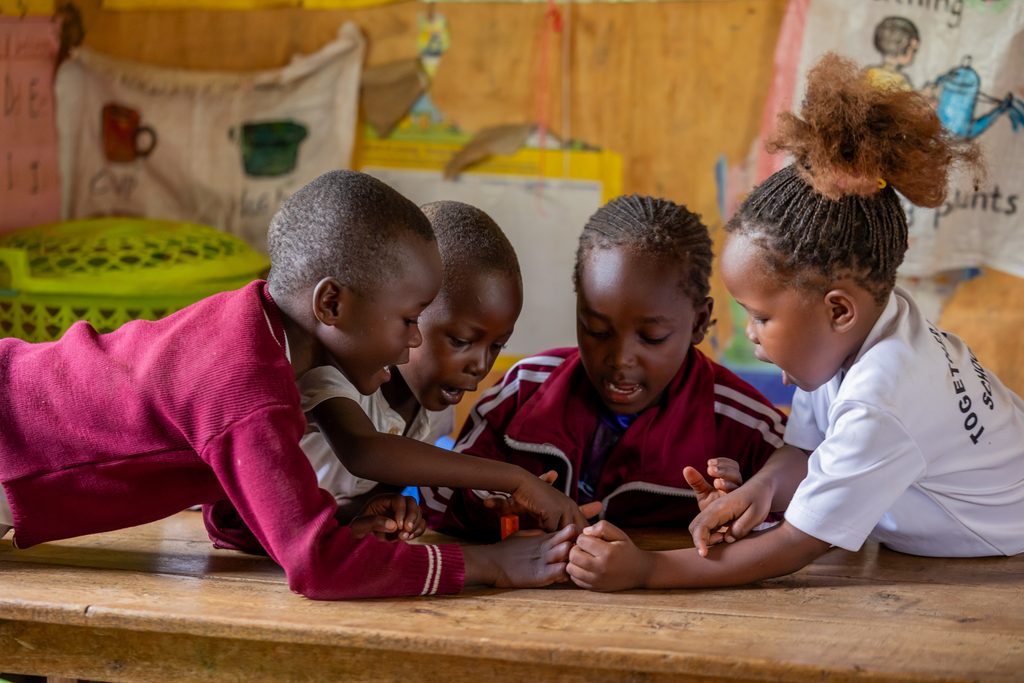
Research increasingly shows that school leadership is one of the strongest school-based influences on teaching and learning. UNESCO’s 2024/25 Global Education Monitoring (GEM) Report describes leadership as being “at the heart of quality education” and notes a growing consensus that educational leadership is the second most important school-level factor influencing learning outcomes, after classroom instruction. The report argues that effective school leaders create change by setting clear expectations, focusing on learning, fostering collaboration and developing people.
But what does this mean for gender-responsive teaching and learning? School leadership is particularly important because it shapes the conditions in which gender equality can become part of everyday school practice. This happens in several ways:
- Setting the direction: School leaders establish gender equality as a shared school priority, ensuring it is reflected in school improvement plans, policies and everyday decisions rather than left to individual teachers.
- Influencing teaching practice: Through classroom observations, coaching and professional development, leaders help teachers recognise gender biases, challenge stereotypes and adopt teaching approaches that give girls and boys equal opportunities to participate and learn.
- Creating inclusive school cultures: Leaders shape the expectations, relationships and school environments that influence how learners are treated. They can address discriminatory practices, promote respectful interactions and ensure that both girls and boys feel safe, valued and supported.
- Building accountability and collaboration: By using classroom observations, learner participation data, teacher feedback and collaborative reflection, school leaders can identify gaps, track progress and ensure that gender-responsive practices are sustained across the school.
This understanding sat at the heart of the Leading Learning for Gender Equity (LL4GE) programme, implemented by Dignitas in partnership with the British Council.
LL4GE strengthened instructional leadership by working with school leaders, teachers, Education Officials and Boards of Management. Through coaching, Communities of Practice and school-based improvement projects, schools were supported to adopt gender-inclusive pedagogies and build learning environments where every learner could participate and thrive.
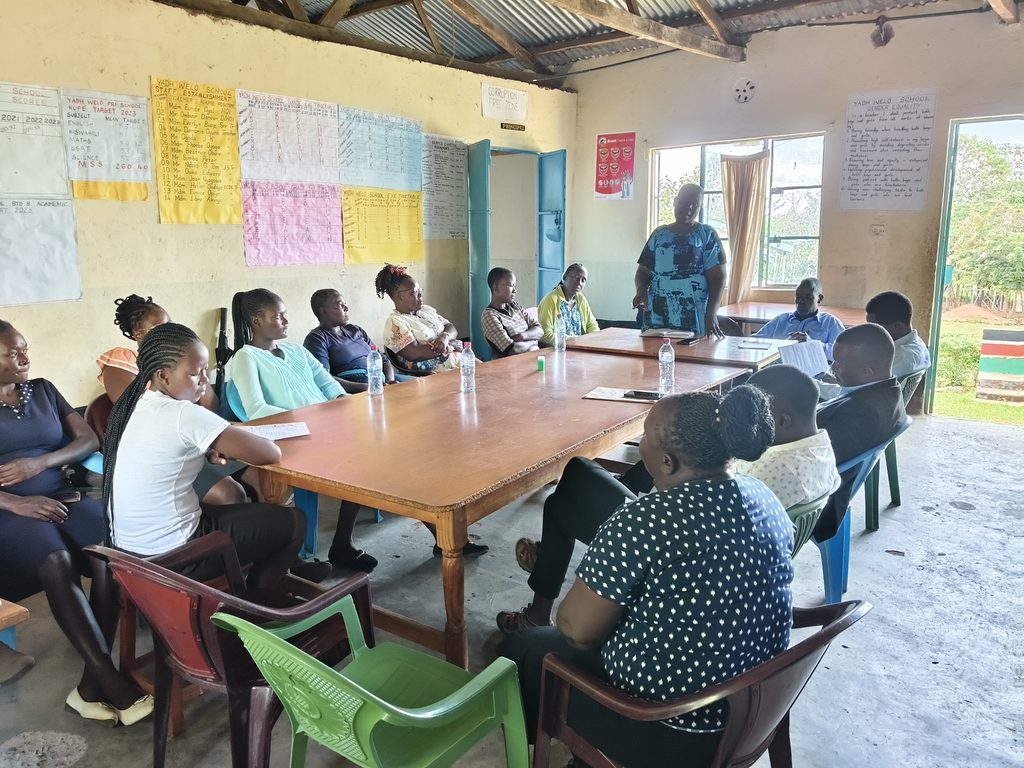
One of the clearest shifts was how school leaders viewed their role.
A Deputy Head of Institution reflected: “I would go to the classroom simply to greet the learners and sit at the back for 10 minutes then exit that class. I realize now that that was not lesson observation. I am now doing it differently.”
That reflection represents a shift from supervision to coaching, a recognition that school leadership is about helping teachers grow, not simply checking that they are doing their job.
As leadership changed, so did teaching. Teachers became more intentional about challenging stereotypes, using gender-inclusive examples in lessons and creating classrooms where girls and boys participated equally. Mrs. Oyamo, a teacher from Atandi Zone, Homa Bay County, captured this transformation simply: “I know that any girl can be a doctor if she wants and works hard for it.”
Perhaps the most important lesson from LL4GE is that gender equality stopped being seen as a programme and became part of how schools were led. Communities of Practice evolved into spaces where teachers reflected on their own biases, shared experiences and developed practical solutions together. Curriculum Support Officers and education officials reinforced these efforts through coaching and ongoing support, ensuring that change extended beyond individual classrooms.
As one headteacher observed:
“These sessions have helped us move beyond talking about challenges to planning solutions together. Teachers now feel supported, and learners are benefiting from classrooms that respect and empower both boys and girls.”
That is the kind of leadership education systems need. As the LL4GE programme, cohort 2, concludes, its legacy will be measured by the conversations that continue in staff rooms, the coaching that happens after classroom observations, the confidence of teachers to challenge stereotypes, and the opportunities created for every learner to succeed.
If we want gender-equitable schools, we must invest in the people who shape them every day. Because, lasting change in education starts with leadership.
Click here to read the full report