
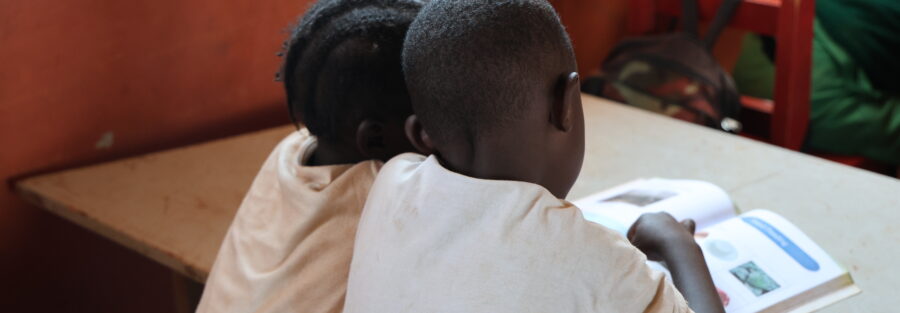
“Sometimes we know the answer. We just need more time to think.”
The sentence was modest, almost hesitant, yet it held enough truth to still be a room. It came from a learner during a Community of Practice session at St. Kizito Primary School in Isiolo County, where teachers had gathered to ask a question both practical and profound: why were learners not participating fully in class, and what might it take for thinking to become shared, courageous, and alive?
The teachers had been reflecting on questioning techniques, lesson delivery, and learner participation; those familiar mechanics of pedagogy that, when handled with care, become something much deeper than method. They had invited a learner representative into the conversation, and her answer gently unsettled the usual assumptions. Many learners, she explained, do not keep quiet because they lack knowledge. They keep quiet because the classroom can feel like a public stage on which a wrong answer invites laughter. Sometimes, too, they are simply still thinking when the teacher, moving too quickly, answers the question for them.
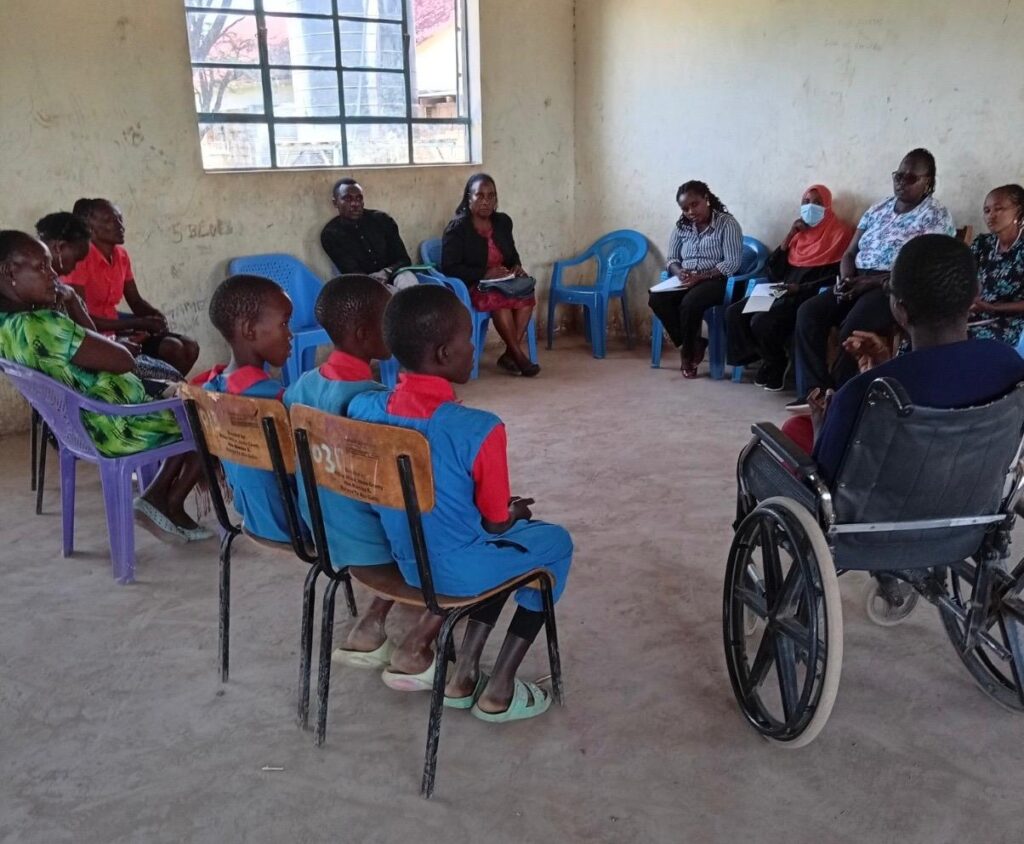
For the teachers, it was a reminder that developing competencies such as critical thinking begins with creating classrooms where learners feel respected, heard and confident enough to participate. It is moments like these that sit at the heart of Action for Life Skills and Values in East Africa programme (ALiVE).
Value-Based Education
Kenya’s Competency-Based Curriculum (CBC) recognizes that education cannot be reduced to the mastery of content. Literacy and numeracy remain essential, but they are not sufficient on their own. The curriculum also asks schools to cultivate critical thinking and problem-solving, communication and collaboration, citizenship, self-efficacy, digital literacy, creativity and imagination, and the capacity to keep learning
Alongside these competencies are values. Values such as responsibility, respect, integrity, peace, unity, and love which shape how young people encounter the world and one another. Yet such qualities cannot be deposited into learners as facts. They are formed through experience: in the way a teacher listens, in the way classmates disagree, in the routines a school protects, and in the culture, it chooses to build day after day.
This is the vision behind Action for Life Skills and Values in East Africa (ALiVE), a collaborative initiative under RELI Africa, backed by Mizizi Elimu Afrika. ALiVE supports education systems and communities to equip children with the life skills, values, and competencies they need to thrive in school and beyond it.
Turning a vision into classroom practice
In Isiolo County, Dignitas implements the ALiVE program by working alongside Education Officers, school leaders, and teachers to bring these ideals into everyday teaching and learning. The work reaches 33 public schools in Isiolo Central Sub-County, where the question is not whether values matter, but how they can be made visible in the daily life of a classroom. .
The program begins with professional learning, where teachers explore practical, learner-centered approaches that make competencies and values part of ordinary lessons rather than occasional slogans. Teachers are supported to weave them into lesson plans, classroom routines, interactions, and learning activities, so that a lesson on numbers or language can also become a lesson in patience, cooperation, reasoning, and care.
However, professional learning does not end when the training does.
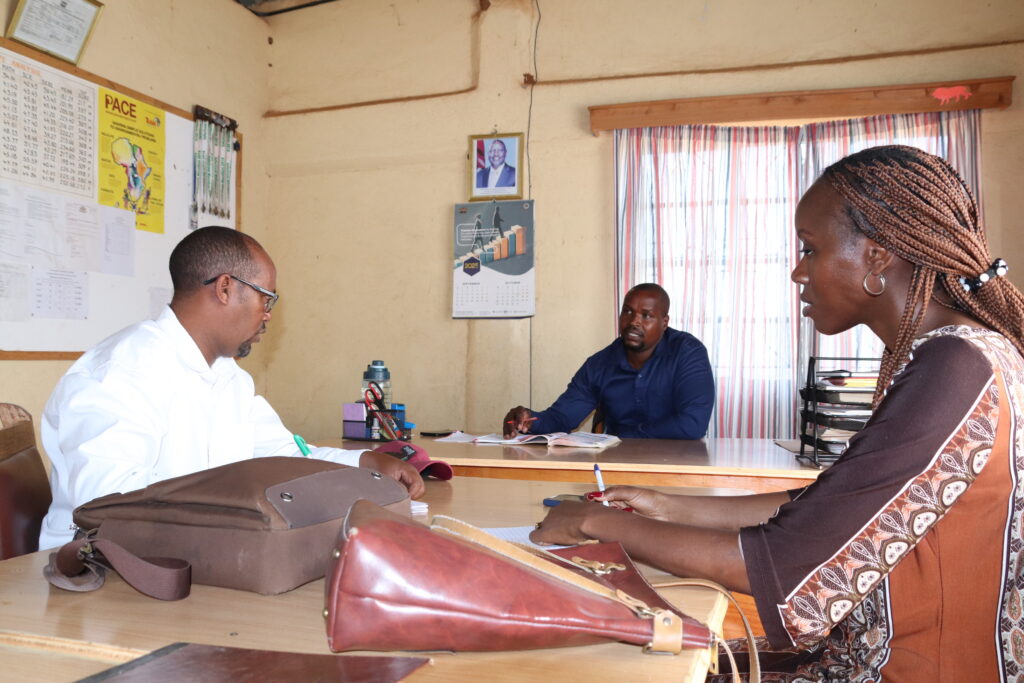
Dignitas supports Education Officers who regularly visit schools to observe lessons, coach school leaders and teachers, and offer feedback as new approaches take root. Through coaching, teachers examine their own practice with honesty and hope. They celebrate progress, name challenges, and identify practical ways to keep improving. In this way, change is not imposed from outside the classroom; it is cultivated within it.
Putting the idea into practice
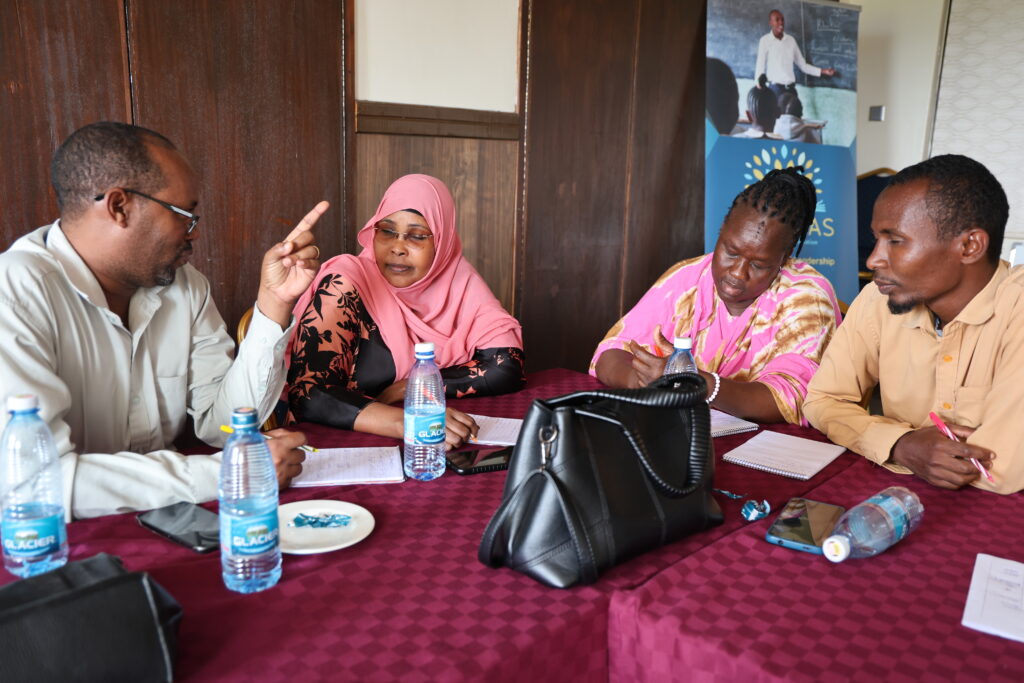
Dignitas works with Education Officers, school leaders and teachers to bring this vision into everyday teaching. The work starts with training, where teachers learn practical ways to weave values and life skills into ordinary lessons rather than treating them as separate subjects. But the support doesn’t stop once the training ends.
Education Officers regularly visit schools to observe lessons and coach teachers as they put new approaches into practice. Teachers also meet in Communities of Practice, where they share what is working, discuss challenges, and learn from each other, building a culture of ongoing improvement across schools.
Vicky Adembesa, Dignitas’ School Leadership and Development Manager, recalls a Grade 2 classroom where cooperative learning had moved from theory into practice. The learners had been placed in groups and given a task. When one group arrived at the wrong answer, the class did not rush past the mistake. Instead, they paused to understand it. The learners recognized that the group had not truly worked together.
The teacher asked which value was missing. “Unity,” the learners answered. It became a lesson in itself , a reminder that collaboration helps prevent mistakes.
Later, during a coaching session, the teacher and Adembesa reflected on the moment. They agreed it would have been even more powerful to let the group reflect on their own mistake first, so they could own it and correct it themselves. These kinds of coaching conversations happen regularly, helping teachers refine how they bring values into daily teaching.
What it looks like in the classroom
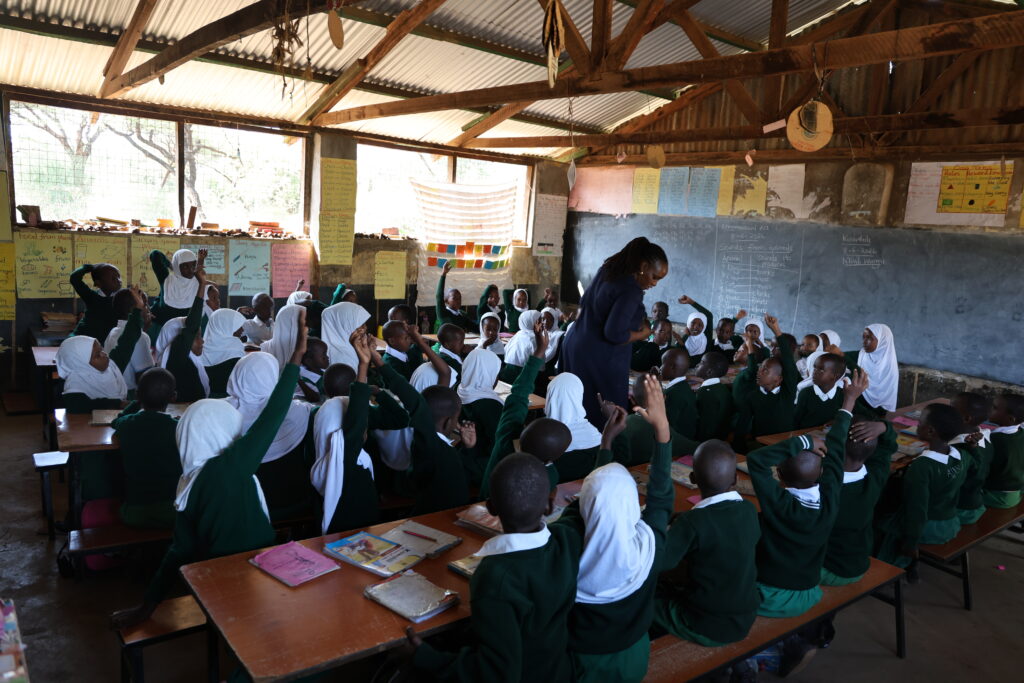
Step into a classroom supported by ALiVE, and the difference is visible. Learners work in pairs and small groups rather than facing the teacher alone. Classrooms are arranged to encourage discussion, and teachers move around the room facilitating rather than lecturing from the front.
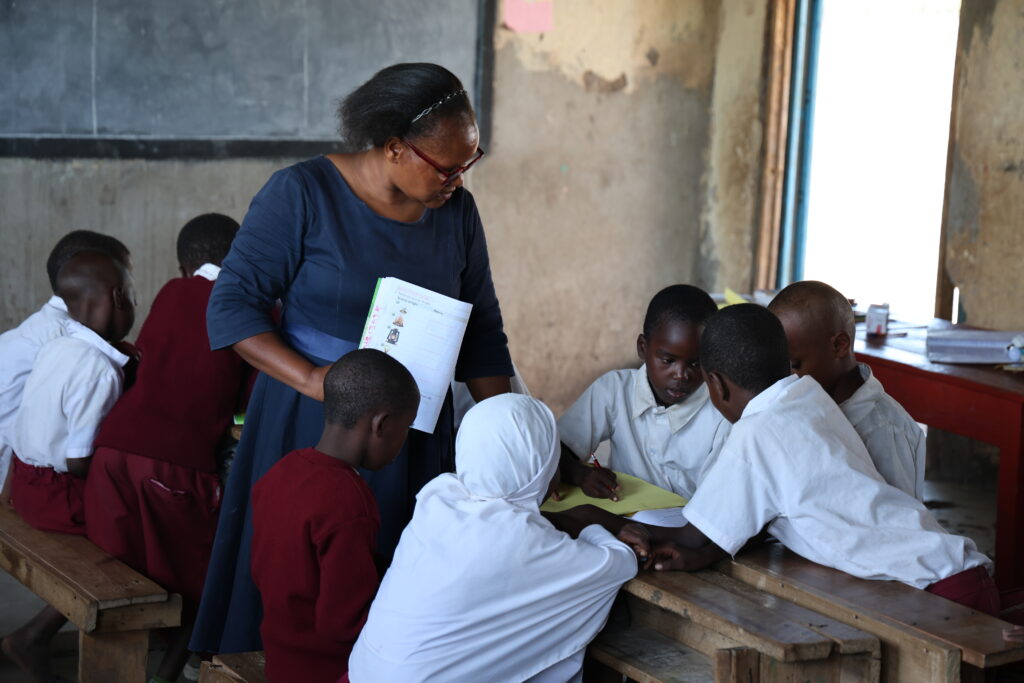
One key practice is co-creating classroom rules with learners, rather than simply handing down expectations. Together, teachers and learners agree on classroom rules and norms, listening respectfully, giving each other time to speak, and valuing different opinions. These agreements are posted on classroom walls, turning them into a living part of daily learning rather than a one-off exercise. Teachers also use questioning techniques that give learners time to think and explain their reasoning, instead of rushing to the next question.
Listening to learners
The conversation at St. Kizito Primary School showed something else: learners often understand what needs to change better than what teachers assume. After hearing from the learner representative, teachers agreed to ask questions that encourage deeper thinking, give learners more time to respond, and lean further into learner-centred teaching. It was a simple exchange, but it carried a bigger lesson, that good teaching means listening as much as instructing.
Through ALiVE programme, Dignitas is helping build classrooms where learners think critically, collaborate, communicate with confidence, and practise values like love and responsibility in real time.
Because when a learner speaks up with an idea, listens to a classmate, works through a problem as part of a team, or takes ownership of their own learning, they are doing more than completing a lesson. They are building the skills and values that will carry them through school, their communities, and the rest of their lives.